
Columnaris is a common bacterial infection that affects freshwater fish, often leading to severe health issues if left untreated.
This disease is caused by the Flavobacterium columnare bacterium, which thrives in poor water conditions and can spread rapidly among fish populations.
Symptoms include white or gray patches on the skin, fins, and gills, resembling cotton-like growths. Early detection and treatment are crucial to prevent significant fish loss and to maintain a healthy aquarium environment.
Understanding the causes and treatment options for Columnaris can help aquarists protect their fish from this potentially devastating disease.
Preventing and treating Columnaris involves a combination of good aquarium management practices and targeted treatments.
Maintaining optimal water quality is essential, as this disease often arises in tanks with high levels of stress, poor filtration, or overcrowding.
Additionally, isolating infected fish can help prevent the spread of the bacteria to healthy tank mates.
This article will guide you through identifying the signs of Columnaris, implementing effective treatment methods, and adopting preventive measures to ensure the health and longevity of your aquatic pets.
Proper care and attention can make a significant difference in managing this disease.
In this article:
- Understanding Columnaris
- Symptoms of Columnaris
- Causes of Columnaris
- Treatment Options
- Medication for Columnaris
- Preventive Measures
- Maintaining Water Quality
Understanding Columnaris
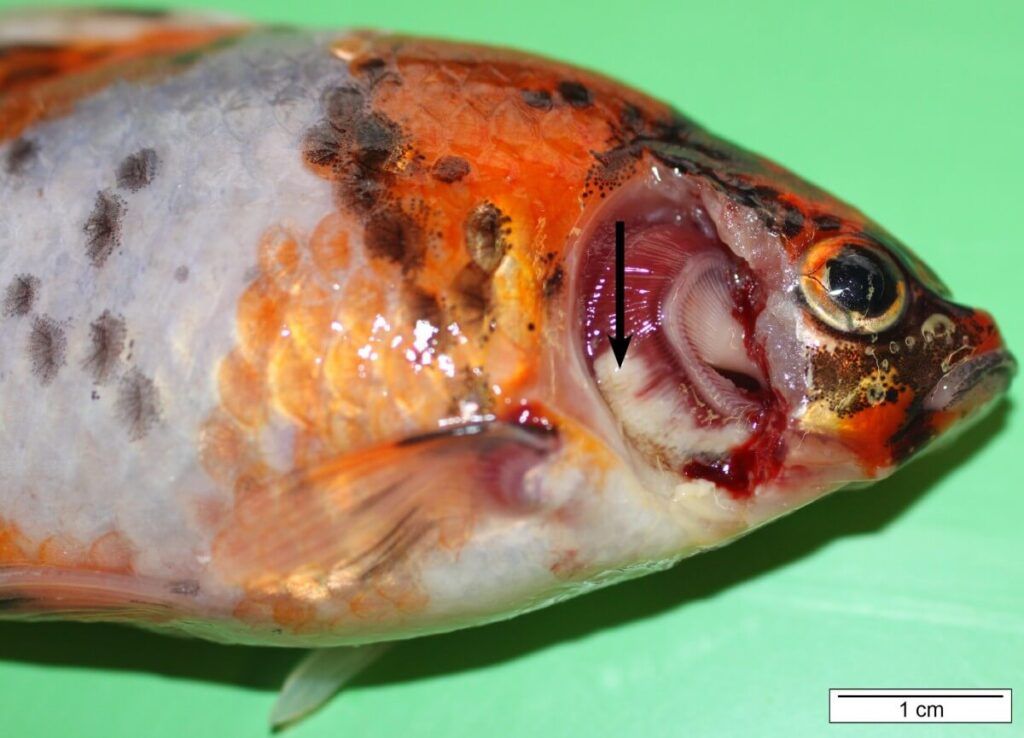
Columnaris is primarily a skin and gill infection in fish, often resulting from stressors such as poor water quality, temperature fluctuations, and overcrowding.
The bacteria can infect fish that are already weakened or compromised, making them more susceptible to this disease.
It is essential for aquarists to recognize the conditions that favor the growth of Columnaris to effectively manage and treat affected fish.
Understanding the lifecycle of the bacteria and its transmission can help prevent outbreaks in your aquarium.
Symptoms of Columnaris
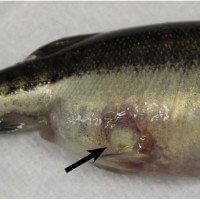
Fish infected with Columnaris may exhibit various symptoms, including white or gray patches on the skin, fins, and gills.
Other signs include frayed fins, lethargy, loss of appetite, and rapid gill movement. In severe cases, fish may develop ulcers, and the infection can lead to death if not addressed promptly.
Monitoring your fish regularly for these symptoms allows for early intervention, which is critical in managing Columnaris effectively.
Causes of Columnaris
Columnaris thrives in environments with poor water conditions, including high ammonia or nitrite levels, low oxygen, and inadequate filtration.
Overcrowding can also contribute to the spread of this disease, as stressed fish are more susceptible to infections. Additionally, temperature fluctuations can weaken fish immune systems, allowing Columnaris to take hold.
Understanding these causes is essential for preventing outbreaks and ensuring the health of your aquarium.
Treatment Options
When treating Columnaris, it is crucial to act quickly to minimize fish loss. The first step is to isolate infected fish to prevent the spread of the bacteria.
Depending on the severity of the infection, treatment options may include increasing water temperature, improving aeration, and using medicated baths or treatments specifically designed for Columnaris.
Following the manufacturer’s instructions and monitoring your fish closely during treatment is essential for effective recovery.
Medication for Columnaris
Several medications are available to treat Columnaris, including antibiotics and antifungal treatments. Commonly used medications include copper-based treatments, formalin, and specific antibiotics like tetracycline or erythromycin.
It is important to read the instructions carefully and ensure that the medication is suitable for your fish species.
Always perform a water change before treatment and monitor your fish’s response to the medication to ensure their safety and recovery.
Preventive Measures
Preventing Columnaris is more effective than treating it after an outbreak. Maintaining optimal water quality is crucial; regularly test your water parameters and perform routine water changes.
Avoid overstocking your aquarium, and ensure that your fish are not stressed due to environmental factors.
Quarantining new fish before introducing them to your main tank can help prevent the introduction of pathogens.
Additionally, a balanced diet and proper care can strengthen fish immune systems, making them less susceptible to infections.
Maintaining Water Quality
To maintain water quality, regularly test for ammonia, nitrite, nitrate, and pH levels. Use a reliable water testing kit and perform water changes of 10-20% weekly to keep your aquarium clean and healthy.
Ensure your filtration system is functioning properly and consider adding aeration to improve oxygen levels.
By maintaining optimal water conditions, you can significantly reduce the risk of Columnaris and other diseases, ensuring a thriving aquatic environment for your fish.
#TAG: How To Treat Columnaris in Fish Aquarium?