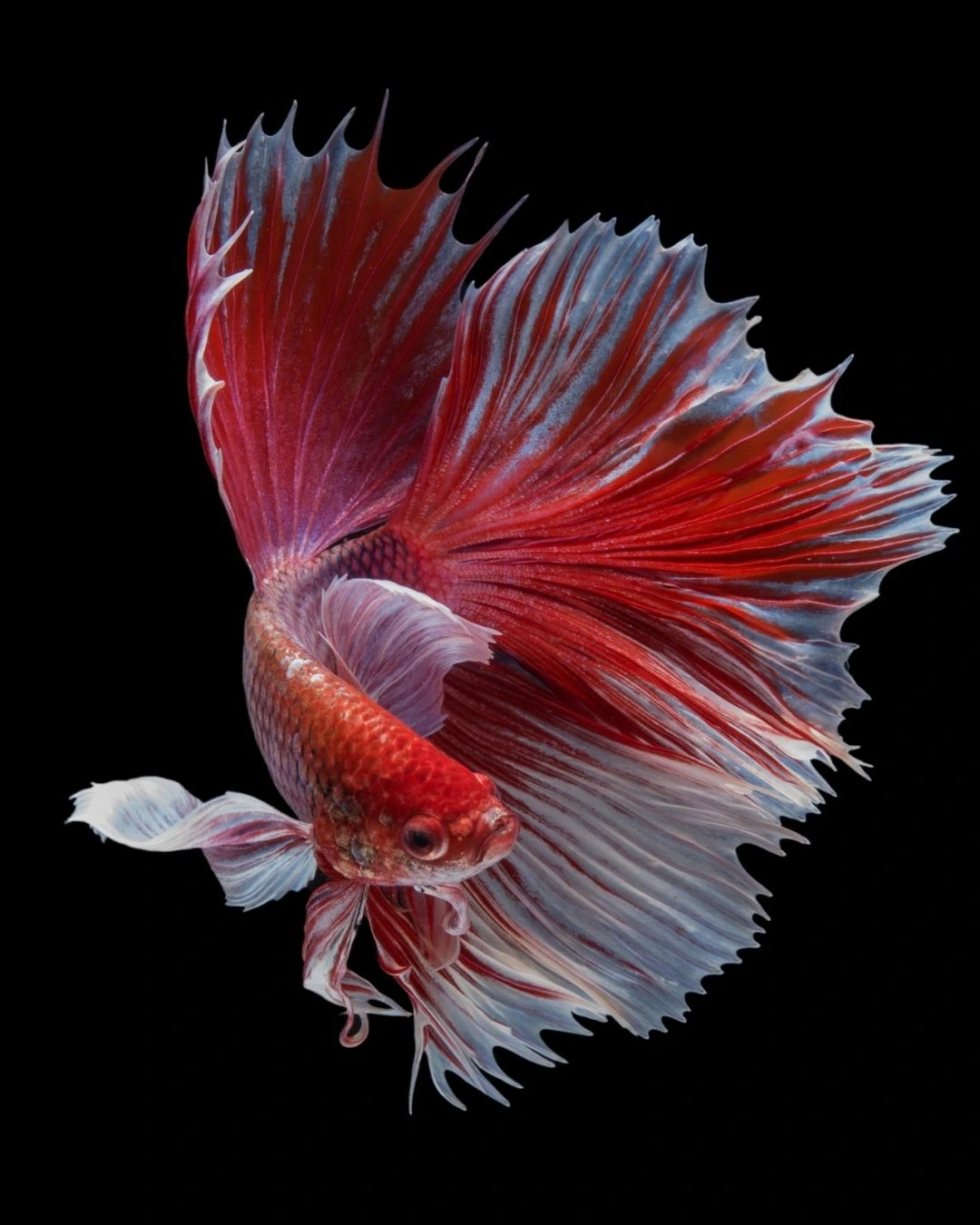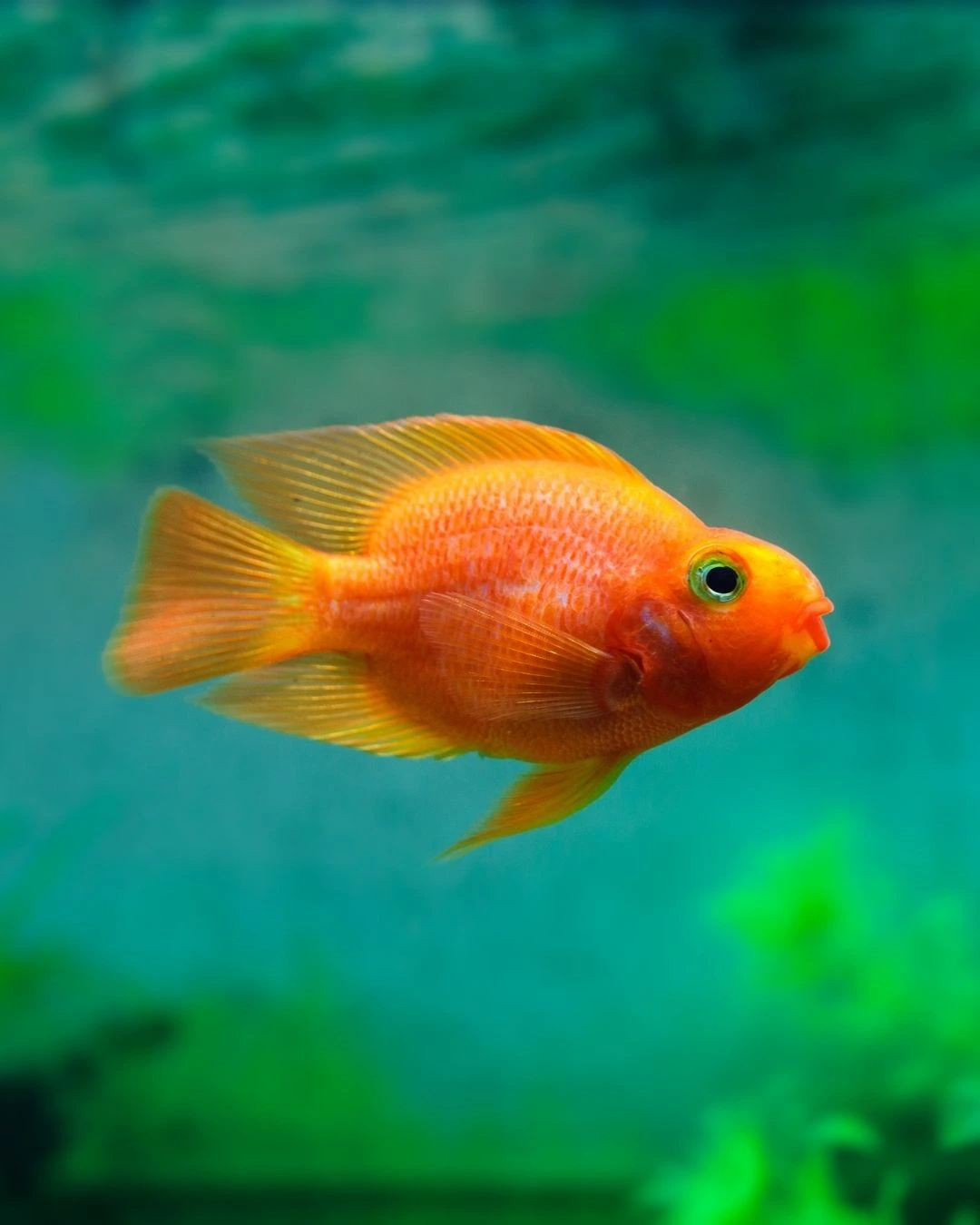

Betta fish enthusiasts, beware! Your colorful aquatic friends might be packing on the pounds. Overfeeding is a common mistake that can lead to serious health issues for these popular pets.
Excess food not only pollutes the tank but also causes obesity, swim bladder problems, and even shortened lifespans in betta fish.
You might think you’re showing love by offering extra treats, but it’s actually harming your finned companion.
Bettas have tiny stomachs about the size of their eye, so they need far less food than you might expect. Overfeeding can quickly spiral into a host of problems that affect your betta’s quality of life.
Let’s discuss the signs of an overfed betta, the consequences of this all-too-common mistake, and practical tips to keep your fish healthy and happy.
By understanding proper feeding habits, you’ll ensure your betta thrives in its aquatic home for years to come.
Overfed Betta Fish Symptoms
Overfeeding is a common problem in betta fish care. Here are key points to understand about overfed bettas:
1. Signs of Overfeeding
You might be overfeeding your betta if you notice a bloated belly. Their stomach area will appear swollen and rounded, making them look pregnant. This distension can be uncomfortable for your fish and may lead to health issues.
Leftover food in the tank is another telltale sign. If you see uneaten pellets or flakes at the bottom of the aquarium after feeding time, you’re likely giving too much. Excess food can pollute the water, creating an unhealthy environment for your betta.
Watch out for constipation in your fish. Overfeeding often results in difficulty passing waste, which can be observed as a lack of normal fecal matter or straining behavior. Your betta might also display lethargic swimming patterns or spend more time at the bottom of the tank when overfed.
Sudden weight gain is a clear indicator of excess food intake. While a healthy betta should maintain a streamlined shape, overfeeding can cause rapid fat accumulation. This extra weight puts strain on your fish’s organs and affects their ability to swim comfortably.
2. Bloating and Constipation
Betta fish bloating and constipation often go hand-in-hand when overfeeding occurs. You’ll notice your betta’s belly becoming unusually swollen and rounded. This distension can make swimming difficult for your fish.
Constipation in bettas typically manifests as infrequent or absent bowel movements. You might observe your fish struggling to pass waste or not producing any feces for several days. This can lead to further bloating and discomfort.
To address these issues, consider fasting your betta for 2-3 days. This break from food allows their digestive system to clear out. After the fast, offer small portions of high-fiber foods like daphnia or blanched peas (with the skin removed) to help stimulate bowel movements.
Adjusting your betta’s diet is crucial for long-term prevention. Aim for smaller, more frequent meals rather than large portions. Incorporate a variety of foods, including live or frozen options, to ensure proper nutrition and digestion.
Regular tank maintenance also plays a role in preventing bloating and constipation. Clean water and appropriate temperatures (78-80°F) support healthy digestion in bettas. Monitor your fish closely after implementing these changes to ensure improvement.
3. Water Quality Issues
Poor water quality is a major culprit in overfeeding-related problems for betta fish. When you feed your betta too much, uneaten food decomposes in the tank, releasing harmful toxins. This process rapidly increases ammonia levels, which can be fatal to your fish.
Excess food waste also leads to nitrite and nitrate buildup. These compounds can cause stress, weaken your betta’s immune system, and make them more susceptible to diseases. You’ll notice your fish gasping at the surface or developing red or inflamed gills as water quality deteriorates.
Regular water changes become even more crucial when overfeeding occurs. You should perform partial water changes at least once a week, increasing frequency if you notice any signs of distress in your betta. Use a gravel vacuum to remove debris from the substrate during each water change.
• Test water parameters weekly • Aim for 0 ppm ammonia and nitrite • Keep nitrates below 20 ppm • Maintain pH between 6.5-7.5
Remember, a clean tank is essential for your betta’s health and longevity. Investing in a good filtration system and staying on top of tank maintenance will help mitigate the effects of occasional overfeeding.
4. Swim Bladder Problems
Swim bladder issues can seriously impact your betta’s quality of life. This organ helps fish maintain buoyancy, and when it malfunctions, you’ll notice your betta struggling to swim normally. They might float at the surface, sink to the bottom, or swim sideways.
Overfeeding is a common culprit. When your betta’s digestive system gets clogged, it can press against the swim bladder. To address this, fast your fish for 2-3 days. Then, offer small portions of daphnia or blanched peas to help clear their system.
Adjust your feeding routine to prevent future problems. Offer smaller, more frequent meals instead of one large feeding. Remove uneaten food after 5 minutes to keep the tank clean. With proper care and attention, you can help your betta regain their graceful swimming abilities.
5. Obesity and Health Risks
Overfeeding your betta fish can lead to obesity, a serious health concern that affects their quality of life. Excess weight puts strain on their internal organs, particularly the liver and swim bladder. This stress can lead to shortened lifespans and increased susceptibility to diseases.
Obese bettas often struggle with mobility issues. You might notice your fish swimming slower or resting more frequently at the bottom of the tank. This reduced activity further compounds the weight problem, creating a vicious cycle.
Fat deposits around the organs can interfere with normal bodily functions. Your betta may experience digestive issues, constipation, or even organ failure in severe cases. Keep an eye out for signs of bloating or a distended abdomen, as these could indicate complications from obesity.
To prevent these risks, it’s crucial to maintain a balanced feeding routine. Offer your betta small, frequent meals rather than large portions. Remove any uneaten food after a few minutes to avoid overfeeding. Regular exercise through engaging toys and appropriate tank decorations can also help keep your betta fit and healthy.
6. Fasting and Diet Adjustment
Fasting your betta fish can be an effective way to address overfeeding issues. Start by skipping one or two feeding days per week. This allows your betta’s digestive system to reset and prevents constipation.
Adjust your betta’s diet to include more variety and nutrients. Offer high-quality pellets as a staple, supplemented with frozen or live foods like bloodworms, daphnia, or brine shrimp. These protein-rich options mimic a betta’s natural diet.
Portion control is crucial. Feed your betta only what it can consume in 2-3 minutes, twice a day. Remove any uneaten food to maintain water quality. Consider using a feeding ring to contain the food and make it easier for your betta to find.
Monitor your betta’s body shape during the diet adjustment. A healthy betta should have a slightly rounded belly, not a distended one. If you notice positive changes, gradually increase feeding amounts while maintaining the new, balanced diet.
Remember, each betta is unique. Observe your fish’s behavior and adjust the feeding schedule as needed. Consistency is key in maintaining a healthy weight for your aquatic friend.
How to Treat An Overfed Betta Fish? – Prevention Strategies
Maintaining your betta’s health starts with proper feeding habits.
- Measure out small portions of food – about 2-3 pellets twice daily for adult bettas.
- Remove any uneaten food after a few minutes to prevent overfeeding and water pollution.
- Vary your betta’s diet to ensure balanced nutrition.
- Rotate between high-quality pellets, freeze-dried bloodworms, and live or frozen foods like brine shrimp. This mimics their natural feeding patterns and keeps them engaged during mealtimes.
- Set a consistent feeding schedule to regulate your betta’s appetite.
- Stick to feeding times 12 hours apart, such as 8 AM and 8 PM. Your fish will learn to anticipate meals, reducing begging behaviors that might tempt you to overfeed.
- Consider using an automatic fish feeder if you’re often away or prone to forgetting feedings. These devices dispense pre-measured amounts at set times, helping maintain a regular feeding routine even when you’re busy.
- Monitor your betta’s body shape regularly. A healthy betta should have a slight roundness to its belly, but not a bulging appearance.
- If you notice excessive weight gain, adjust portion sizes immediately and increase swimming space to encourage more activity.